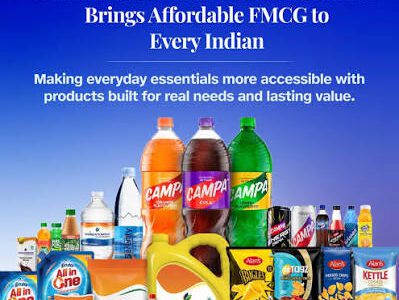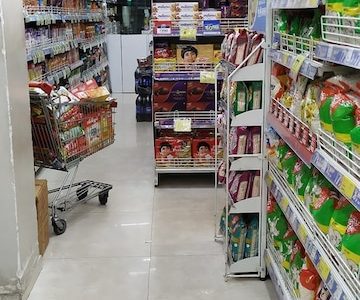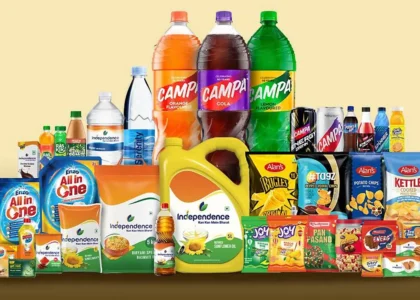

The FMCG sector is one of the most active segments of India’s consumer economy. Products such as packaged foods, beverages, groceries, household essentials and personal-care items are purchased regularly, creating continuous demand across urban as well as semi-urban markets.
For entrepreneurs looking to enter the distribution and retail sector, an Independence FMCG dealership can be an opportunity to build a business around everyday consumer products. However, starting a dealership requires more than simply arranging capital. Entrepreneurs need to understand the market, evaluate their location, plan inventory, develop retailer relationships and maintain efficient distribution operations.
If you are considering an Independence FMCG distributorship, understanding the complete process can help you make a more informed business decision.
What Is an FMCG Dealership?
An FMCG dealership generally involves purchasing and distributing consumer products within an assigned market or territory. The dealer or distributor acts as an important link between the brand, retailers and customers.
Depending on the business model and agreement, responsibilities may include:
- Managing product inventory
- Supplying products to retailers
- Developing a local distribution network
- Managing orders and deliveries
- Maintaining retailer relationships
- Supporting local sales activities
- Monitoring stock movement
Because FMCG products typically have frequent repeat purchases, an effective distribution network can play an important role in business growth.
Why Consider an Independence FMCG Dealership?
One of the main attractions of the FMCG business is the regular demand for essential consumer products. Unlike businesses that depend entirely on occasional purchases, FMCG distributors can serve retailers that require regular replenishment.
An Independence FMCG dealership may be worth considering for entrepreneurs who want to build a structured distribution business and develop long-term relationships with local retailers.
The website highlights areas such as operational support, training, marketing assistance, quality-control systems and supply-chain management as part of its dealership/franchise proposition.
Understand the Investment Requirements
Before applying, prospective entrepreneurs should prepare a realistic investment plan. The total requirement can vary depending on several factors, including:
Initial Inventory
Inventory is one of the most important components of an FMCG distribution business. The amount required depends on the products, territory and expected sales volume.
Warehouse or Storage Facility
A suitable storage facility may be required to keep products organised and ready for dispatch. The facility should provide appropriate space for inventory management and easy loading and unloading.
Transportation
Distribution often requires regular movement of products between the distributor and retailers. Depending on the territory, this may require a delivery vehicle or third-party logistics support.
Working Capital
Working capital is essential for managing day-to-day expenses, inventory replenishment, transportation, staff and other operational requirements.
Rather than relying on a generic dealership cost figure, applicants should confirm the current investment requirements and commercial terms directly before making any financial commitment.
Requirements for Starting an FMCG Dealership
Although exact requirements depend on the applicable dealership model and agreement, entrepreneurs should generally be prepared with:
- Adequate investment capacity
- Suitable business premises or warehouse space
- Local market knowledge
- Distribution and logistics arrangements
- Basic business documentation
- Ability to manage inventory
- Sales and retailer relationship management capabilities
A strong understanding of the local retail market can also be valuable when developing a distribution network.
Choose the Right Location
Location can have a major impact on an FMCG distribution business.
A suitable territory should ideally have a healthy network of:
- Grocery stores
- Supermarkets
- Convenience stores
- Local retailers
- Food and beverage outlets
- Other relevant consumer-product sellers
Entrepreneurs should study the number of retailers, competition, customer demand, transportation accessibility and potential sales volume before selecting a territory.
Build a Strong Retailer Network
The success of a distributor is closely connected to the strength of its retailer relationships.
A new dealer should focus on identifying potential retailers and understanding their purchasing requirements. Consistent product availability, timely delivery, transparent communication and professional service can help establish long-term business relationships.
Instead of focusing only on acquiring a large number of retailers, distributors should concentrate on developing a reliable and active network.
Manage Inventory Efficiently
Inventory management is another critical part of FMCG distribution.
Too much inventory can lock up working capital, while insufficient inventory can result in missed sales opportunities. A systematic approach can help businesses monitor:
- Fast-moving products
- Slow-moving products
- Reorder levels
- Stock ageing
- Expiry dates
- Retailer demand
- Delivery schedules
Using digital inventory or accounting tools can further improve visibility and operational efficiency.
Marketing and Sales Support
Marketing plays an important role when introducing consumer products into a new territory.
Retailers need to understand the products they are stocking, while customers need awareness of the brand and product range. Depending on the dealership arrangement, entrepreneurs may receive marketing assistance or other forms of business support. The website specifically lists marketing assistance among its services.
Local promotional activities, retailer engagement and consistent product availability can complement broader brand-level marketing.
How to Apply for an Independence FMCG Dealership
Entrepreneurs interested in the opportunity can begin by reviewing the dealership information and submitting the relevant application.
The website provides an online application approach where prospective partners can select their state and an investment range before proceeding.
Before submitting an application, it is advisable to have basic information ready, including:
- Applicant details
- Proposed business location
- Investment capacity
- Storage or commercial-space details
- Distribution experience, if applicable
- Contact information
Applicants should also verify all commercial, legal and operational terms directly with the relevant authorised representatives.
Is an FMCG Dealership Right for You?
An FMCG dealership may be suitable for entrepreneurs who are comfortable with sales, distribution, inventory management and retailer relationship building.
It is important to understand that a dealership is an active business operation rather than a passive investment. Business performance can depend on territory, demand, competition, operating efficiency, working capital and execution.
Conducting proper market research before investing can help reduce avoidable risks.
Conclusion
Starting an Independence FMCG dealership can provide entrepreneurs with an opportunity to participate in India’s growing consumer-products distribution ecosystem. However, success requires careful planning, adequate working capital, effective inventory management and a strong retailer network.
Before applying, evaluate your target market, infrastructure, investment capacity and operational capabilities. Most importantly, confirm the latest dealership terms, eligibility criteria, investment requirements and support structure directly with the authorised business representatives.
Frequently Asked Questions
1. What is an Independence FMCG dealership?
An Independence FMCG dealership is a business opportunity focused on distributing consumer products through a local retail network, subject to the applicable dealership arrangement.
2. What investment is required for an Independence FMCG dealership?
The investment can vary based on territory, inventory, infrastructure, logistics and other business requirements. Applicants should confirm the current investment structure directly.
3. Do I need a warehouse for FMCG distribution?
A suitable storage facility may be required depending on the dealership model, product range and distribution territory.
4. Can I apply for an Independence FMCG dealership online?
The website provides an online application facility for prospective business partners.
5. What factors influence the success of an FMCG dealership?
Location, retailer network, product demand, inventory management, distribution efficiency, working capital and sales execution can all influence business performance.