How to Get Independence FMCG Dealership in India: A Complete Guide
The FMCG industry is one of the most active sectors in India, driven by regular demand for packaged foods, beverages, groceries, personal-care products and household essentials. For entrepreneurs looking to enter the distribution business, an Independence FMCG dealership can be an opportunity to build a business by supplying consumer products to retailers in a selected market.
Before applying, it is important to understand the dealership process, investment requirements, infrastructure and operational responsibilities.
What Is an Independence FMCG Dealership?
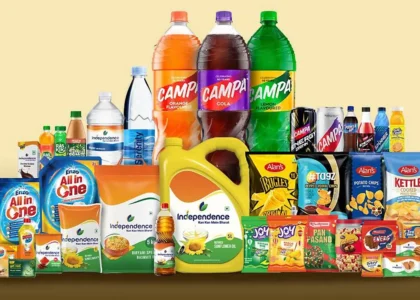
An FMCG dealership generally involves purchasing and distributing products to retailers, supermarkets, grocery stores and other businesses within a particular territory. The Independence FMCG dealership proposition highlights areas such as operational support, training, marketing assistance, quality-control systems and supply-chain support.
The business is suitable for entrepreneurs who are comfortable managing inventory, sales, logistics and retailer relationships.
How to Get Independence FMCG Dealership?
1. Understand the Business Model
Start by understanding whether you are interested in a dealership, distributorship or retail franchise. A distributorship typically focuses on supplying products to multiple retail outlets, while a franchise generally involves operating a branded retail location.
2. Evaluate Your Investment Capacity
An FMCG distribution business requires more than an initial franchise or dealership fee. You may need funds for inventory, warehouse or storage facilities, transportation, staff and working capital. The exact investment can vary depending on territory, product range and business model, so verify the latest commercial terms before making any financial commitment.
3. Select a Suitable Location
Your location can significantly influence distribution potential. Look for markets with a strong network of grocery stores, supermarkets, convenience stores and other relevant retailers. Consider local demand, competition, retailer density, transportation access and potential sales volume.
4. Prepare Your Business Infrastructure
Depending on the dealership arrangement, you may need suitable storage space and transportation facilities. Efficient storage helps maintain inventory, while reliable logistics ensures timely delivery to retailers.
5. Submit Your Application
Once you understand the requirements, complete the dealership application with accurate details such as your name, contact information, city, proposed business location and investment capacity. The website provides an online application process for prospective business partners.
6. Build Your Retailer Network
After approval, developing strong retailer relationships is essential. Regular visits, timely deliveries, consistent product availability and professional communication can help you build a reliable distribution network.
Manage Inventory and Operations Efficiently
Effective inventory management is important in FMCG distribution. Monitor fast-moving and slow-moving products, reorder levels, stock ageing and expiry dates. Maintaining the right stock level can help reduce unnecessary working-capital blockage while avoiding stock shortages.
Why Consider an Independence FMCG Dealership?
An FMCG dealership can offer entrepreneurs an opportunity to participate in the growing consumer-products market. However, it is an active business that requires sales management, retailer development, logistics coordination and financial planning.
Before applying, conduct local market research and confirm the latest dealership eligibility, investment, territory and support terms directly with the relevant authorised representatives.
Conclusion
Getting an Independence FMCG dealership involves understanding the business model, assessing your investment capacity, selecting the right territory, preparing infrastructure and completing the application process. With effective inventory management, reliable distribution and strong retailer relationships, entrepreneurs can work toward building a sustainable FMCG distribution business.
FAQs
1. How can I apply for an Independence FMCG dealership?
You can begin by reviewing the dealership opportunity and submitting the required details through the online application process.
2. What investment is required for an Independence FMCG dealership?
Investment requirements can vary based on territory, inventory, infrastructure and logistics. Confirm the current commercial terms before investing.
3. Do I need a warehouse for FMCG dealership?
A suitable storage facility may be required depending on the dealership model, product range and distribution territory.