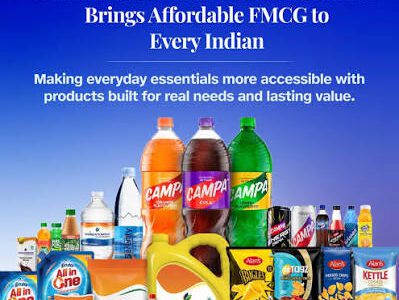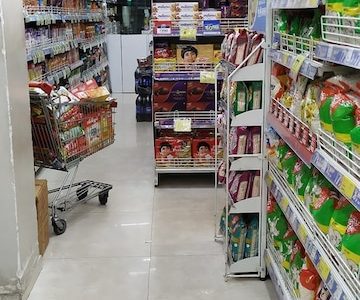
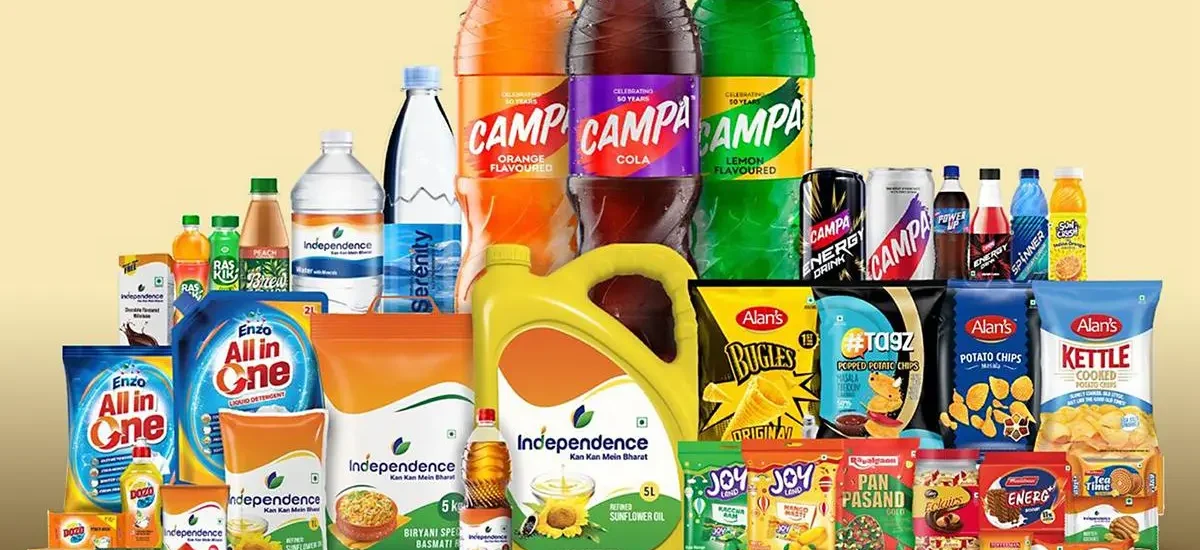
From packaged food and beverages to household and personal-care products, FMCG products form an important part of everyday life. Consumers purchase these products regularly, while retailers need continuous replenishment to keep their shelves stocked.
This consistent consumption pattern makes FMCG distribution an interesting business segment for entrepreneurs. A well-managed distribution business can connect manufacturers and brands with a broad network of retailers while creating opportunities for repeat orders.
For entrepreneurs exploring an Independence FMCG dealership, understanding how the FMCG distribution model works and what it takes to operate successfully is an important first step.
What Makes FMCG Different From Other Businesses?
FMCG stands for Fast-Moving Consumer Goods. These are products that are generally purchased frequently and move relatively quickly through retail channels.
Common FMCG categories include:
- Packaged food
- Beverages
- Grocery products
- Household essentials
- Personal-care products
- Daily-use consumer products
The regular nature of consumer demand can create recurring sales opportunities for manufacturers, distributors and retailers.
Growing Importance of Distribution Networks
A strong distribution network is essential for ensuring that products reach consumers efficiently.
Even a well-known product needs an effective supply chain to reach the right stores at the right time. Distributors help bridge the gap between the brand and the retail market.
A distributor may be responsible for receiving inventory, storing products, processing retailer orders, coordinating deliveries and developing relationships with businesses within the assigned territory.
For entrepreneurs, this creates an opportunity to build a business around logistics, sales and retail distribution.
Why Entrepreneurs Consider FMCG Dealerships
There are several reasons why an FMCG dealership can attract aspiring business owners.
Regular Consumer Demand
Many FMCG products are purchased as part of routine household shopping. This can create repeat demand rather than relying entirely on occasional purchases.
Large Retail Market
India has a diverse retail ecosystem that includes traditional stores, supermarkets, convenience stores and other retail formats.
This provides distributors with multiple potential channels for developing a local customer base.
Opportunity to Build a Retail Network
An FMCG distributor can gradually expand its network by acquiring and retaining retailers. A strong network can become an important business asset over time.
Scalable Operations
Once distribution processes are established, entrepreneurs may be able to expand their operations by adding retailers, products or territories, subject to the applicable business arrangement.
What Support Can a Dealership Provide?
Business support can be an important consideration when choosing a dealership opportunity.
The Independence FMCG website lists several support areas, including operational support, comprehensive training, marketing assistance, quality-control systems and supply-chain management.
For a new entrepreneur, structured support can be useful because FMCG distribution involves multiple operational functions.
However, prospective applicants should verify the exact support included in their specific dealership agreement before making a decision.
How to Evaluate an FMCG Business Opportunity
Not every business opportunity will be suitable for every entrepreneur. Before applying for an FMCG dealership, consider the following factors.
1. Market Demand
Research the demand for FMCG products in your target area. Look at population, retail density, purchasing patterns and competition.
2. Territory Potential
A territory with a healthy number of retail outlets may provide more opportunities for developing a distribution network.
3. Investment Capacity
Consider not only the initial investment but also ongoing working capital requirements.
Your financial plan should account for inventory, transportation, employees, storage, utilities and other operating expenses.
4. Storage and Logistics
Efficient logistics can directly influence retailer satisfaction. Evaluate whether you have suitable storage and delivery arrangements.
5. Competition
Study existing distributors and competing brands in your market. Understanding competitors can help you identify potential opportunities and challenges.
The Role of Retailer Relationships
Retailers are central to FMCG distribution.
A distributor should focus on building relationships based on reliability and service. Retailers generally value timely deliveries, consistent availability, clear communication and efficient order processing.
Regular communication can also help distributors understand which products are moving quickly and which products require additional attention.
Over time, strong retailer relationships can contribute to repeat orders and business stability.
Inventory Management Is Critical
FMCG distribution requires careful inventory planning because different products can have different sales cycles.
A distributor should regularly track:
- Available inventory
- Product movement
- Reorder points
- Expiry dates
- Damaged stock
- Slow-moving inventory
- Retailer orders
Technology can make these processes easier. Inventory-management software, accounting systems and digital order tracking can help entrepreneurs make more informed operational decisions.
Marketing Can Help Drive Product Movement
Distribution and marketing work together.
While distributors primarily focus on making products available to retailers, marketing activities can help create awareness and encourage consumer demand.
Depending on the dealership arrangement, marketing assistance may be available. The Independence FMCG website identifies marketing assistance as one of its listed support areas.
Local retailer promotions, product visibility and effective communication can further support product movement.
Common Mistakes New FMCG Distributors Should Avoid
Entrepreneurs entering FMCG distribution should avoid several common mistakes.
Underestimating Working Capital
Initial investment is only one part of the financial requirement. Businesses also need sufficient funds for ongoing operations.
Ignoring Retailer Feedback
Retailers provide valuable information about customer preferences and product demand. Ignoring this feedback can result in poor inventory decisions.
Overstocking
Buying excessive quantities without analysing sales movement can tie up capital and increase inventory-management challenges.
Poor Delivery Management
Delayed deliveries can negatively affect retailer relationships and product availability.
Expanding Too Quickly
Building a strong foundation is generally more important than pursuing rapid expansion without adequate infrastructure and working capital.
Is FMCG Distribution a Good Business Opportunity?
FMCG distribution can be an attractive option for entrepreneurs who understand sales, logistics and local retail markets.
However, profitability should never be assumed simply because a business operates in the FMCG sector. Actual results can vary significantly depending on territory, sales volume, margins, expenses, competition, inventory turnover and business management.
A proper feasibility assessment should therefore be completed before investing.
Getting Started With an Independence FMCG Dealership
If you are interested in an Independence FMCG dealership, start by understanding the available business model and eligibility requirements.
Review the application process, proposed territory, investment requirements and support structure. The website provides an online application process and allows prospective applicants to select their state and investment range.
Most importantly, verify all dealership terms and financial information with the authorised representatives before entering into an agreement.
Conclusion
The FMCG distribution industry offers entrepreneurs an opportunity to participate in the supply of products that consumers purchase regularly. With effective inventory management, reliable logistics, strong retailer relationships and disciplined financial planning, a distribution business can develop a sustainable local presence.
An Independence FMCG dealership may be worth exploring for entrepreneurs interested in the FMCG sector. However, successful business ownership requires active management and careful market evaluation.
Before making an investment, research your market, understand your costs, assess the territory and verify the dealership terms. A well-planned approach can help you make a more informed decision about entering the FMCG distribution business.
Frequently Asked Questions
1. What is an FMCG distribution business?
An FMCG distribution business involves supplying fast-moving consumer products from brands or suppliers to retailers within a particular market.
2. Why is FMCG distribution considered a business opportunity?
FMCG products are used regularly, which can create recurring demand and opportunities for distributors to develop long-term retailer relationships.
3. What skills are useful for an FMCG distributor?
Sales management, inventory planning, communication, retailer relationship management, logistics coordination and basic financial management are useful skills.
4. Can beginners start an FMCG dealership?
Entrepreneurs can explore dealership opportunities even without extensive previous distribution experience, provided they meet the applicable requirements and have the resources to operate the business.
5. How can I apply for an Independence FMCG dealership?
Prospective partners can use the online application facility provided on the website and submit their details for consideration.