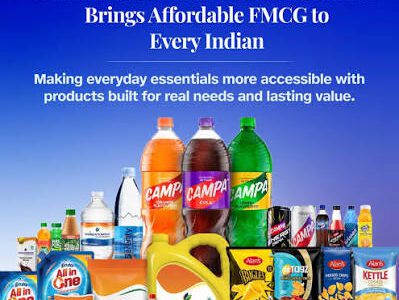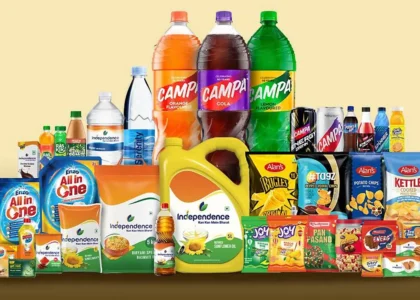
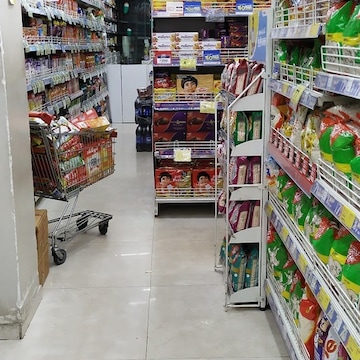
The Fast-Moving Consumer Goods (FMCG) sector is one of the most active and consistent segments of the Indian economy. Products such as packaged food, beverages, personal care items, household products, snacks and daily-use essentials have regular demand, making an FMCG dealership an attractive business opportunity for entrepreneurs.
However, starting an FMCG dealership is more than simply purchasing products from a company and selling them to retailers. You need to carefully evaluate the brand, investment, distribution network, storage requirements, market demand and potential profitability before making a decision.
If you are planning to start an FMCG dealership business, here are the key factors you should consider.
1. Understand the FMCG Market
Before investing, understand the FMCG market in your target location. Research which products are in demand, who your potential customers are and what competing brands are already available.
Study local retailers, supermarkets, grocery stores, wholesalers and other distribution channels. Look for product categories where there is consistent demand but comparatively less competition.
Understanding local buying patterns can help you select the right FMCG company and product portfolio.
2. Choose the Right FMCG Brand
The brand you choose can have a significant impact on your dealership’s growth. Do not select a company only because it is offering a dealership at a low investment.
Evaluate factors such as:
- Brand reputation and market presence
- Product quality
- Product demand
- Pricing and margins
- Dealer and distributor support
- Marketing support
- Product shelf life
- Existing competition
- Territory availability
- Return and replacement policies
A company with good products and strong dealer support can make it easier to develop a stable customer base.
3. Calculate Your Initial Investment
One of the most important considerations is the amount of capital required to start the business. Your investment may include dealership fees, initial inventory, warehouse expenses, transportation, staff salaries, technology and working capital.
Do not use your entire budget for purchasing inventory. Keep sufficient funds available for daily operations and unexpected expenses.
Create an estimated budget covering:
- Initial stock purchase
- Warehouse or storage costs
- Delivery vehicles or transportation
- Staff expenses
- Registration and licenses
- Marketing expenses
- Working capital
- Electricity and other operating costs
Having a clear financial plan can help you avoid cash-flow problems during the early stages.
4. Check the Profit Margin
Before signing a dealership agreement, understand the actual profit margin on different products. FMCG businesses often operate on relatively competitive margins, so sales volume and efficient operations can be important for profitability.
Ask the company about distributor or dealer margins, incentives, promotional schemes, sales targets and other commercial terms.
Also calculate your net profit after considering transportation, warehouse costs, salaries, discounts, damaged products and other operating expenses.
A dealership with a high sales volume and reasonable margins may be more attractive than one offering a higher margin but limited demand.
5. Evaluate Product Demand
Product demand should be one of your biggest considerations. A well-known brand does not automatically mean every product in its portfolio will sell equally well in your market.
Check whether local consumers are already purchasing similar products. Consider factors such as price, product category, customer preferences and purchasing frequency.
Products used regularly or purchased frequently can potentially provide recurring sales opportunities.
6. Check Territory and Competition
Before taking an FMCG dealership, find out whether another distributor or dealer is already operating in your preferred territory.
Ask the company about the geographical area available to you and whether there are restrictions on selling products outside your assigned territory.
You should also study competing distributors and brands. Understanding the competition can help you develop a practical sales and distribution strategy.
7. Plan Your Warehouse and Storage
FMCG products require proper storage. Depending on the product category, you may need a clean, dry, ventilated and temperature-controlled storage environment.
Your warehouse should have enough space for inventory movement and organized stock management.
Follow the FIFO (First In, First Out) method wherever appropriate so older stock is sold before newer stock. This can help reduce product wastage and expiry-related losses.
8. Understand Licenses and Compliance
The registrations and licenses required depend on the products you plan to distribute and the nature of your business.
Depending on your business model, you may need registrations related to GST, food products, local business operations, warehouse requirements and other applicable regulations.
If you are dealing with packaged food or beverages, pay particular attention to applicable food-safety and labeling requirements.
Before starting operations, consult a qualified professional or the relevant government authority to understand the requirements applicable to your business.
9. Build a Strong Retailer Network
An FMCG dealership depends heavily on distribution and retailer relationships. Having products in your warehouse is not enough; you need an effective network of retailers and other buyers.
Identify potential customers such as:
- Grocery stores
- Supermarkets
- Convenience stores
- Restaurants
- Cafes
- Institutional buyers
- Local wholesalers
Your sales team should regularly visit retailers, take orders, understand their requirements and ensure timely delivery.
Strong relationships with retailers can help generate repeat orders and improve distribution.
10. Invest in Inventory Management
Poor inventory management can reduce profitability even when sales are strong. Track stock levels, sales velocity, expiry dates, damaged products and outstanding payments.
Using inventory management software can make it easier to monitor stock and identify fast-moving and slow-moving products.
Avoid purchasing excessive quantities simply to receive a bulk discount. Unsold or expired inventory can block your working capital.
11. Consider Delivery and Logistics
Efficient delivery is another important part of FMCG distribution. Retailers generally expect products to arrive on time and in good condition.
Plan your delivery routes and transportation costs carefully. Depending on your business size, you may use your own vehicle, hire delivery services or develop a combination of both.
Efficient logistics can help reduce delivery costs while improving retailer satisfaction.
12. Understand the Company’s Support
Before finalizing an FMCG dealership, understand what support the company provides to its dealers.
Ask about:
- Sales and product training
- Promotional materials
- Marketing campaigns
- Product launches
- Sales targets
- Customer support
- Replacement policies
- Credit terms
- Incentives and schemes
Good support from the company can make the process of establishing the dealership considerably easier.
13. Have a Long-Term Growth Plan
Do not focus only on the first few months. Create a plan for expanding your retailer network, increasing product categories and improving monthly sales.
Once your dealership becomes stable, you may consider expanding into additional territories or related FMCG categories, depending on your agreement with the company.
A long-term approach can help turn a small dealership operation into a larger distribution business.
Conclusion
Starting an FMCG dealership business can provide an opportunity to build a distribution-focused business around products with regular consumer demand. However, success depends on much more than selecting a popular brand.
Market research, investment planning, product demand, profit margins, warehouse management, retailer relationships, logistics and compliance should all be evaluated before making a decision.
Take time to compare different FMCG dealership opportunities, understand the commercial terms and prepare a realistic business plan. With the right brand, territory, distribution strategy and financial planning, an FMCG dealership can become a scalable business opportunity.
FAQs
1. Is FMCG dealership a profitable business?
An FMCG dealership can be profitable when there is strong product demand, efficient distribution, healthy sales volume and effective cost management.
2. How much investment is required for an FMCG dealership?
Investment varies depending on the FMCG company, product category, territory, inventory requirements, warehouse and working capital needed.
3. How do I choose the right FMCG dealership?
Compare brand reputation, product demand, margins, competition, territory availability, investment, company support and commercial terms before selecting a dealership.
4. Do I need a warehouse for an FMCG dealership?
Most FMCG dealership models require suitable storage facilities. The size and specifications depend on your inventory and product category.
5. How can I increase FMCG dealership sales?
Building a strong retailer network, maintaining product availability, offering reliable delivery, managing inventory efficiently and developing good retailer relationships can help increase sales.