The FMCG (Fast-Moving Consumer Goods) sector continues to offer attractive business opportunities because consumers purchase essential products regularly. From packaged foods and beverages to household and daily-use products, FMCG products have consistent demand across urban and semi-urban markets.
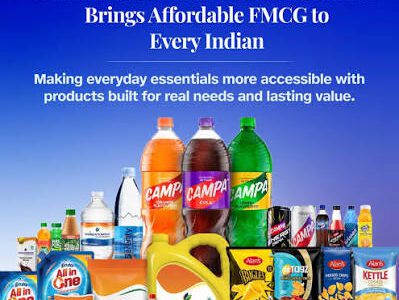
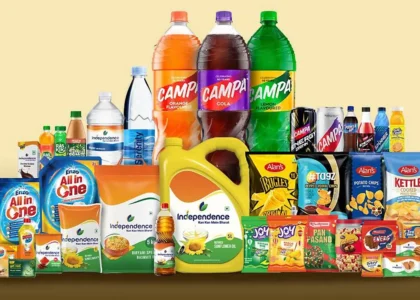
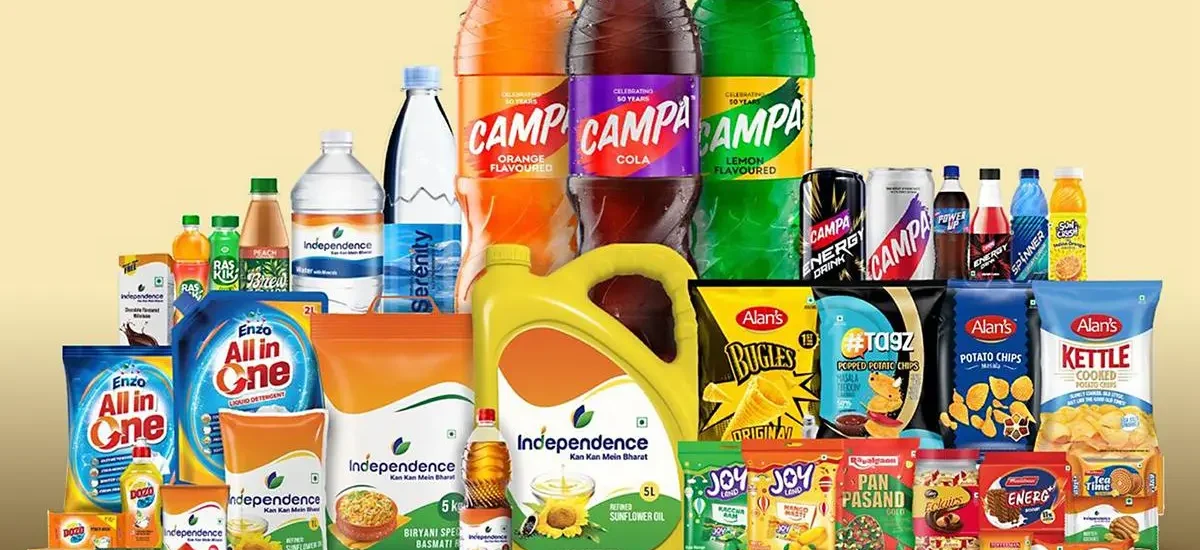
For entrepreneurs looking to enter this sector, an Independence FMCG distributorship can be an interesting opportunity to build a distribution business around a recognized FMCG brand. Independence is a Reliance FMCG brand, backed by the Reliance ecosystem and focused on providing quality everyday products at competitive prices.
Entrepreneurs exploring Independence FMCG distributor online apply options can learn about the distributorship process, requirements, investment considerations, and market potential before taking the next step.
What Is Independence FMCG Distributorship?
Independence FMCG distributorship involves working as a distributor for Independence products and helping make these products available to retailers and customers within a designated market.
A distributor generally plays an important role between the brand and the retail network. Depending on the business arrangement, responsibilities may include maintaining inventory, managing retailer relationships, coordinating product deliveries, developing market coverage, and supporting product availability.
For an entrepreneur, the opportunity can provide a structured way to enter the FMCG distribution sector rather than developing an entirely new product brand.
Why Consider the Independence FMCG Brand?
Independence is a Reliance FMCG brand, which gives the business opportunity an association with one of India’s prominent business groups. Brand recognition can be an important consideration when entrepreneurs evaluate distribution opportunities.
Some potential advantages of exploring an Independence distributorship include:
- Association with a recognized FMCG brand
- Opportunity to serve a growing consumer market
- Demand for everyday-use FMCG products
- Scope to develop a network of retailers
- Potential for expansion within a defined territory
- Opportunity to build a long-term distribution business
However, prospective distributors should independently verify the latest commercial terms, product portfolio, territory availability, investment requirements, and eligibility criteria before applying.
FMCG Distributorship Opportunities in Nashik
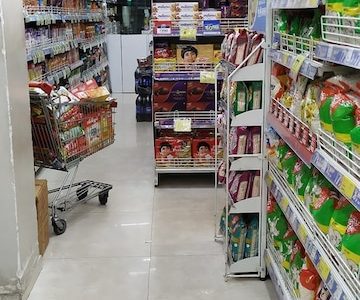
Nashik is an important commercial city in Maharashtra with a diverse population and an expanding retail ecosystem. The city and surrounding areas have supermarkets, grocery stores, convenience stores, wholesalers, and other retail outlets that serve everyday consumer requirements.
This makes FMCG distributorship opportunities in Nashik worth exploring for entrepreneurs who understand the local market and have the resources required to manage distribution operations.
A distributor in Nashik may potentially serve different types of retail outlets depending on the territory and business model. Building strong relationships with retailers, maintaining adequate stock, and ensuring timely deliveries can be important factors in developing distribution coverage.
Entrepreneurs should also study local competition, product demand, transportation costs, storage requirements, and the availability of the territory before making a business decision.
Who Can Consider an Independence FMCG Distributorship?
An Independence distributorship may be considered by entrepreneurs with an interest in FMCG sales and distribution. Previous experience in FMCG can be useful, but prospective applicants should check the current eligibility requirements specified by the relevant company or authorized channel.
A suitable applicant may need:
- Adequate working capital
- Suitable storage or warehouse facilities
- Distribution and transportation arrangements
- Retailer and market-development capabilities
- Basic business and inventory-management knowledge
- Ability to operate within the assigned territory
The exact requirements can vary depending on the location, territory, business structure, and current company policies.
How to Apply for Independence FMCG Distributorship Online?
Entrepreneurs searching for Independence FMCG distributor online apply should first identify the official application or enquiry process available for their location.
A typical application process may involve the following steps:
1. Understand the Opportunity
Research the Independence product range, distribution model, territory requirements, and business expectations.
2. Check Your Eligibility
Review the applicable requirements related to investment capacity, infrastructure, warehouse facilities, distribution capabilities, and territory.
3. Submit an Enquiry or Application
Provide the required business and contact information through the appropriate application channel.
4. Business Evaluation
The application may be reviewed based on factors such as location, market potential, infrastructure, financial capability, and distribution experience.
5. Complete the Formalities
If selected, the applicant may need to complete documentation and other commercial formalities before beginning operations.
Applicants should always rely on verified information and official communication when submitting documents or making payments.
What Should You Consider Before Starting?
Although FMCG distribution can provide significant business potential, it requires proper planning. Before applying, entrepreneurs should evaluate the business from multiple perspectives.
Market demand: Understand which FMCG categories have strong demand in your target area.
Investment: Consider inventory, warehouse, transportation, staff, working capital, and other operating expenses.
Territory: Determine the geographical area you are expected to cover and estimate its retail potential.
Retail network: A strong relationship with retailers can be essential for building product distribution.
Logistics: Efficient inventory management and timely delivery can directly affect retailer satisfaction and business performance.
Competition: Research competing FMCG brands and distributors operating in the same market.
Build a Strong FMCG Distribution Business
Success in FMCG distribution depends on more than simply becoming a distributor. Consistent stock availability, efficient delivery, retailer relationships, market coverage, and disciplined financial management can all contribute to sustainable business growth.
Entrepreneurs considering an Independence FMCG distributorship should therefore prepare a basic business plan covering their target territory, expected expenses, retail network, storage capacity, logistics, and working capital.
For people specifically researching FMCG distributorship opportunities in Nashik, evaluating the local retail market and surrounding areas can help identify potential growth opportunities.
Final Thoughts
An Independence FMCG distributorship in India can be an option for entrepreneurs interested in entering India’s fast-moving consumer goods distribution sector. As a Reliance FMCG brand, Independence provides an established brand association that may be attractive to prospective distributors.
Before submitting an application, however, applicants should verify the latest eligibility criteria, investment requirements, territory availability, commercial terms, and application process. Careful research and proper business planning can help entrepreneurs make a more informed decision about starting an FMCG distribution business.
Frequently Asked Questions
1. What is Independence FMCG distributorship?
It is a business opportunity to distribute Independence FMCG products to retailers and other eligible sales channels within an assigned market.
2. Is Independence a Reliance FMCG brand?
Yes. Independence is an FMCG brand associated with Reliance’s consumer business.
3. How can I apply for Independence FMCG distributorship?
Interested entrepreneurs should follow the current official enquiry or application process and provide the required business and contact details.
4. Are there FMCG distributorship opportunities in Nashik?
Nashik has a diverse retail market, making it a location entrepreneurs may consider when exploring FMCG distribution opportunities.
5. What is required to become an FMCG distributor?
Requirements can include working capital, suitable storage, distribution infrastructure, transportation arrangements, and the ability to manage retailer relationships. Exact requirements should be confirmed before applying.